Making Do: The Original Life Hacks
Remember spring 2020? For about five minutes, it looked like we were all rediscovering something – practicality. Everyone was baking sourdough. People planted gardens. We waved at neighbors from the porch.
Then life settled into a new routine, and for a lot of us, that routine ran through our front doors. Groceries, takeout, a new air fryer, a puzzle, another puzzle, all arriving by delivery, and plenty of us still live that way. It made sense. It kept people safe, and it's genuinely convenient. But it did mean our big shared hardship looked very different from the ones our grandparents lived through.
When times got tough for them, they didn't have the option of having things brought to them. They had to make do, get creative, and lean on each other. And with prices where they are right now, I’m taking a page from their book.
Use it up, wear it out
There's an old saying from the Depression and war years: use it up, wear it out, make it do, or do without. It sounds a little bleak at first. But the more I think about it, the more I like it. It's really about looking at everything you already have and asking, "What else can this do?"
Stale bread? Bread pudding. Old shirt? Patch, then rag. Leftovers? Not a sad obligation, just tomorrow's lunch.
Before hacks were hacks
We love a good hack. Some clever trick that saves money or a trip to the store gets shared a million times. But a lot of what goes viral now, our grandparents would look at and say, "Yes, dear, we know."
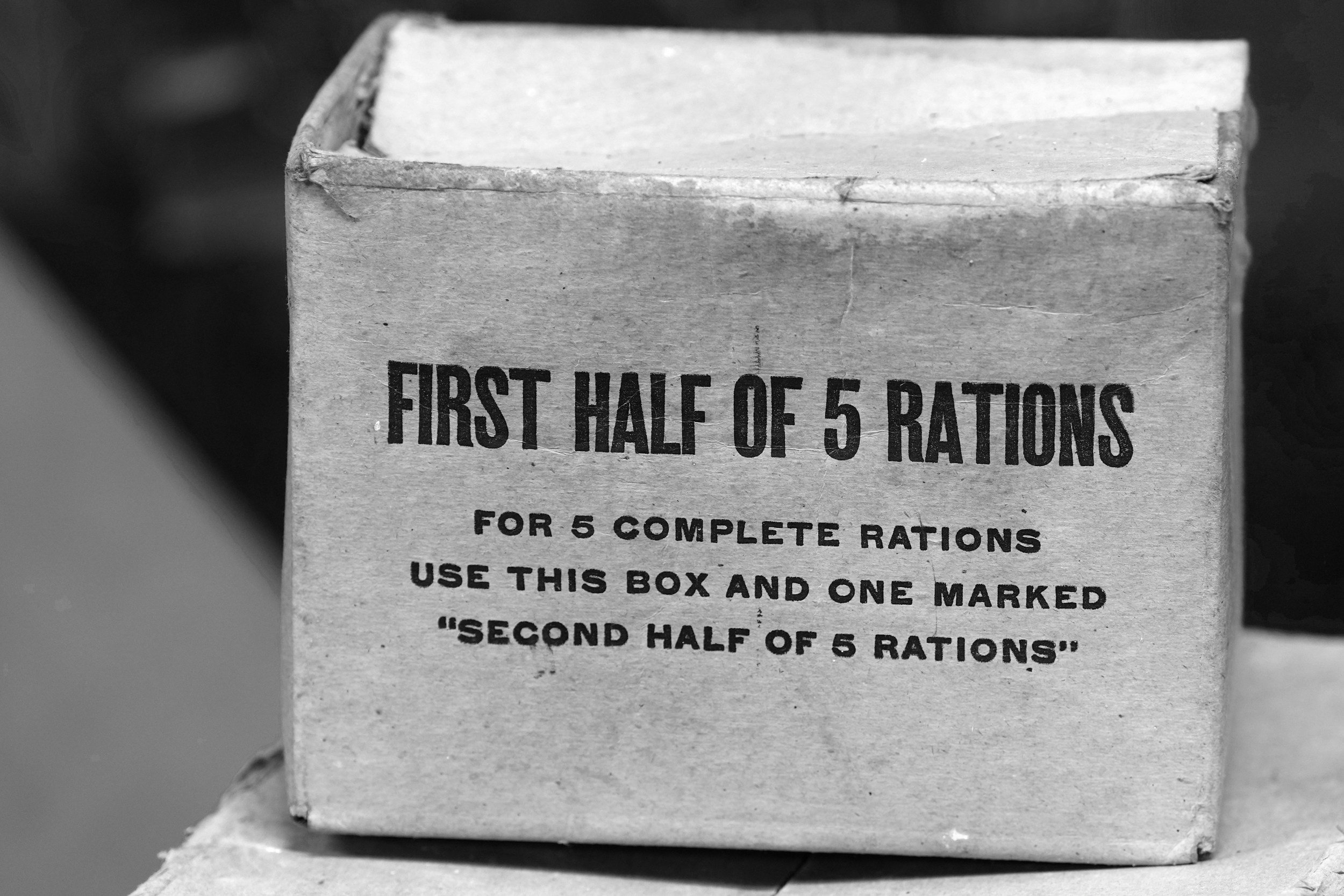
During the Depression, people baked cakes without eggs, butter, or milk because they didn't have any, and those recipes are still making the rounds online. During World War II, the US rationed sugar, meat, butter, gas, and, for a stretch from late 1942 into 1943, coffee. (Coffee! I can't even imagine.) People reused grounds, stretched them with chicory, and swapped recipes and ration stamps the way we swap promo codes.
The difference is that for them, these weren't fun little tricks to try once. They were just how you lived. And that's where the savings actually add up.
Shop your own kitchen first
Rationing made people do something most of us have forgotten how to do: plan around what we have instead of buying what we want.
My grandmother had this down to a science. She made the same meals every week, and most of them landed on the same day: pork chops on Wednesday, fish on Friday, roast beef on Saturday. As a kid, I probably thought it was boring. Now I think it was genius. She always knew what to buy, nothing went to waste, and nobody ever stood in front of the fridge wondering what was for dinner.
These days, I think we have the opposite problem. Between cooking shows, home makeover shows, and the endless scroll of Reels, we're constantly being shown what we could be making, buying, or fixing. It's fun to watch, but it quietly convinces you that your kitchen needs twelve new ingredients this week and your house needs a new backsplash.
My husband and I eventually landed somewhere a lot like my grandmother. We rotate the same handful of meals, just dressed up differently. A batch of salt-and-pepper chicken breasts turns into sandwiches, fresh rolls, and a couple of dinners with different sauces. A big pot of soup covers lunches for days.
That doesn't mean never trying anything new. Every so often, a Reel catches my eye and a new dish joins the lineup for a week, and once in a while, one sticks. But the rotation is the backbone. It’s what wartime families were forced to learn: when you plan ahead and waste less, you spend less, and dinner stops being a daily decision.
Grow a little, share a lot
Victory gardens are the part of this history everyone pictures: backyards and rooftops full of vegetables. What I didn't realize until I started reading about them was how social they were. Neighbors traded extra tomatoes, swapped seeds, and shared canning equipment. Nobody was doing it alone.
That's the piece I think we need back most. A lot of us got more closed off during the pandemic, and it stuck. But the people who handle hard stretches best usually aren't the ones with the most stuff. They're the ones with people: someone to split a Costco run with, borrow a ladder from, or hand off extra zucchini to.
Hit pause
It has never been easier to buy things, and we're so used to getting whatever we want delivered right to the door that we barely notice anymore. The shopping experience is designed to keep us from stopping to think, but that moment of stopping is where the good decisions happen. It's when we ask ourselves whether we really need something, whether we already have it somewhere in the back of a cabinet, or whether it can wait until the next time we're at the store. Without that pause, costs quietly add up, not just in what we spend, but in all the boxes and packaging and delivery trucks making trips for one bottle of shampoo.
Rationing built that pause into everyday life. Borrowing a little of that mindset doesn't mean going without; it just means running a house in a way that's more thoughtful, less wasteful, and happens to cost less, too.
Here's what I'm borrowing
Not the hardship. Those were genuinely tough years, and I'm not romanticizing them. Just a few habits that still make a lot of sense:
Ration a little, on purpose. Shop your pantry before the store, and use the oldest things first.
Stretch before you replace. Fix it, repurpose it, or find it a second job.
Try the old hacks. Save vegetable scraps for broth, cook once and eat twice, and give stale bread a second life as breadcrumbs or bread pudding. They've been tested for about ninety years.
Keep your people close. Friends, family, whoever you’d call first. They're the best emergency kit you've got.
Our grandparents didn't shop their way through hard times. They got clever and leaned on each other. That still seems like a solid plan.